

A safe home revolves around small details that add up, and the plumbing system plays a major part in daily comfort and security for older adults. Slips in the bathroom, a scald from the tap, or a sudden leak can change a calm morning into a fast moving emergency.
A few well chosen upgrades, modest changes in habit, and regular check ups will cut down on risks and make routine tasks far less taxing. The guidance that follows outlines common hazards, useful fixes, and signs to watch for so caregivers and homeowners can act with confidence.
Bathroom Risks And Simple Upgrades
Bathrooms are often the highest risk rooms because wet floors and rapid temperature changes challenge balance, which is why the importance of safe plumbing in retirement homes becomes most visible in how bathrooms are designed and maintained.
Adding sturdy grab bars close to the tub and the toilet, pairing them with a built in shower seat and textured, non slip floor surfaces, reduces transfers and gives an older person something reliable to hold onto.
Swap small twist handles for long lever style faucets and install a handheld shower head on a slide bar so a person can bathe while seated and control spray without awkward reach.
Bright, layered lighting with night lights and a thermostat set for safe output at taps also lowers the odds of a fall or a painful scald while keeping personal care tasks straightforward.
Kitchen Safety And User Friendly Fixtures
Kitchens get heavy use and the combination of water, soap, and hot surfaces raises the stakes each day, especially when opening cabinets or bending to reach the lower shelves becomes a chore.
Shallow sinks, pull out faucets with easy to operate levers, and motion activated taps cut the need to grip small knobs and let someone rinse or wash without excess force or instability.
Install slide out shelving, drawer style dishwashers, and lower storage for frequently used items so reaching and climbing are not part of a typical meal prep task.
Keep accessible locations for fire extinguishers, post quick instructions near the main shut off, and set the water heater thermostat to a safe level so a simple spill will not turn into a larger emergency.
Pipes And Water Pressure Concerns
Hidden work such as old fittings, corroded lines, and unchecked high pressure often turns a tiny leak into a household crisis because a small weakness under pressure can fail suddenly and flood a room.
Check the municipal connection and install a pressure regulator set near fifty pounds per square inch or slightly lower where the main line enters the property so spikes and hammering are reduced and fixtures last longer.
If an older system still uses galvanized steel or brittle polybutylene, updating those runs to flexible crosslinked polyethylene or copper reduces corrosion and eases future repairs, while modern valves give a clear on off action.
Pay attention to tapping noises inside walls, slow drops in water flow when a single outlet runs, and small stains around joints as these often precede a bigger failure and call for quicker intervention.
Water Heater Settings And Scald Prevention
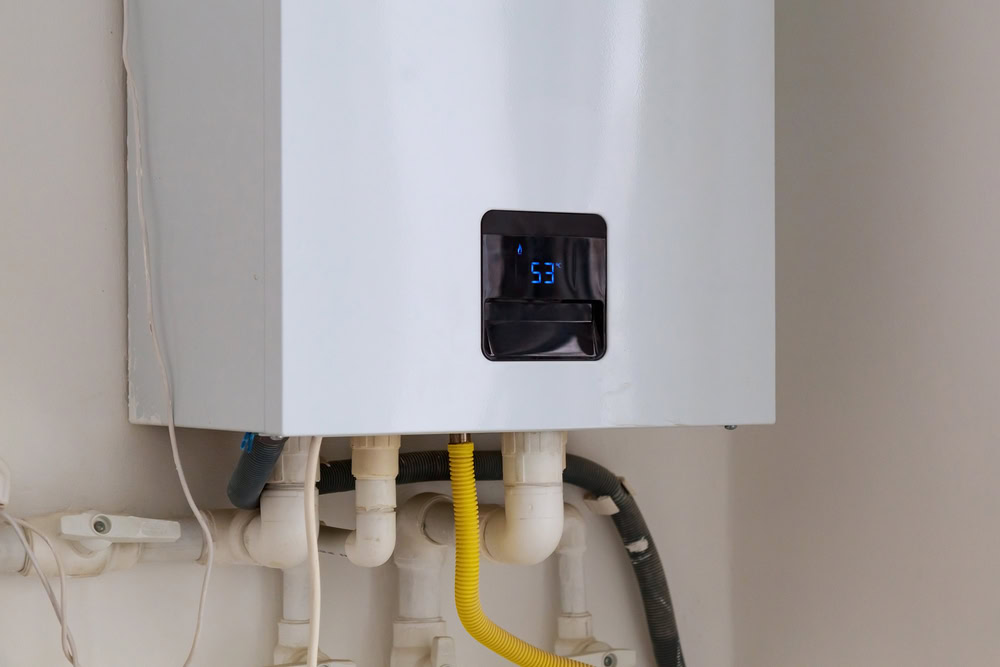
Hot water systems that are set at very high temperatures create a hidden risk because water that feels merely warm can scald fragile skin within seconds, and hotter settings amplify that hazard for older people with reduced reflexes.
Set tank type heaters to one hundred and twenty degrees Fahrenheit or install thermostatic mixing valves at showers and sinks so hot water is tempered where it matters and caregivers keep enough heat for cleaning while avoiding burns.
Insulate the first few feet of hot water piping to reduce standby heat loss and shorten wait times at the tap, which saves both water and the frustration of long waits for hot flow.
Make a quick visual check of pressure relief devices, anode rods, and venting on gas models, and mark the heater with a clear label showing temperature and last service date for future reference.
Leaks Mold And Water Damage Signs
A tiny drip that goes unnoticed becomes a steady problem because seeping water feeds mold growth, softens structural members, and can quietly ruin cabinetry or flooring before anyone spots the source.
Watch for water stains on ceilings and walls, bubbling paint, warping at baseboards, white mineral lines on concrete, and a stale odor in closets or under sinks as common clues that moisture is present where it should not be.
Inspect under dishwashers, behind washing machines, and around refrigerator ice lines for pooling or dampness, and run a flashlight into dark cavities where a slow leak often hides until it finds wood or drywall to discolor.
Act quickly on any leak, replace aging rubber hoses on appliances before the threads fatigue, and nip problems in the bud so a minor fix does not turn into a major, costly repair.
Accessible Controls And Easy To Use Hardware
Hardware that demands fine motor control or significant grip strength turns everyday tasks into battles, and small design changes reduce strain, speed actions, and restore dignity.
Replace round knobs with long levers or push type handles that provide more surface and less twist torque, and install faucets with clear high and low markings and built in stops so temperatures are predictable at a glance.
Consider touch activated or sensor taps in key areas to cut the effort needed to turn water on and off, especially when hands are full or gloves are worn during winter months.
Make shut off valves simple to reach and operate, and label them in plain terms so anyone can act quickly when a leak starts without hunting for tools or instruction sheets.
Routine Checks And Maintenance Tips
A few routine tasks done on a predictable schedule prevent most plumbing headaches and give caregivers the kind of calm that comes from preparation rather than panic.
Twice yearly checks that include running the floor drains, testing main shut offs, cleaning faucet aerators, and looking at visible joints for dampness will catch wear before it accelerates into failure.
Keep a small kit of replacements such as rubber hoses for washing machines, a basic adjustable wrench, and a list of local plumbers and emergency contacts locked in a folder near the water meter.
An ounce of prevention is worth a pound of cure, and steady, modest maintenance reduces interruptions to daily life while stretching the life of expensive equipment.
Emergency Preparedness And Quick Actions
Know where the main shut off is and practice turning it off so a caregiver or a visiting helper can stop the flow fast if a pipe bursts or an appliance fails during the night.
Keep towels, a mop, and a portable pump or sump bucket handy for short term containment, and post a laminated sheet with phone numbers and the shut off procedure so action is not delayed under stress.
Put a battery powered flood alarm near the hot water heater and under frequently wet sinks so a tiny leak triggers an early alert and gives time to act before damage spreads.
Establish a short plan that outlines who will turn valves, where the spare part kit lives, and which doors should be kept clear, because clear steps taken quickly cut the worst of the chaos.
When To Call A Professional Plumber
If you encounter sewage backup, a major pressure loss, continuous running that you cannot stop, a burst line, or any time you smell gas near a hot water appliance, step back and contact a licensed plumber who has the training and the permits to repair complex systems safely.
Complex replacements, gas line repairs, and work that involves structural openings or electrical interfaces are best left to experienced tradespeople who can also provide written estimates and an inspection record for future needs.
Share mobility information and daily routines with the contractor so their proposed fixes match how people move through rooms and reduce the chance of repeated strain or awkward postures.
Keep receipts and service documents in a single place and ask for a brief walk through of work done so you know what was changed and how to operate the updated fixtures.
