
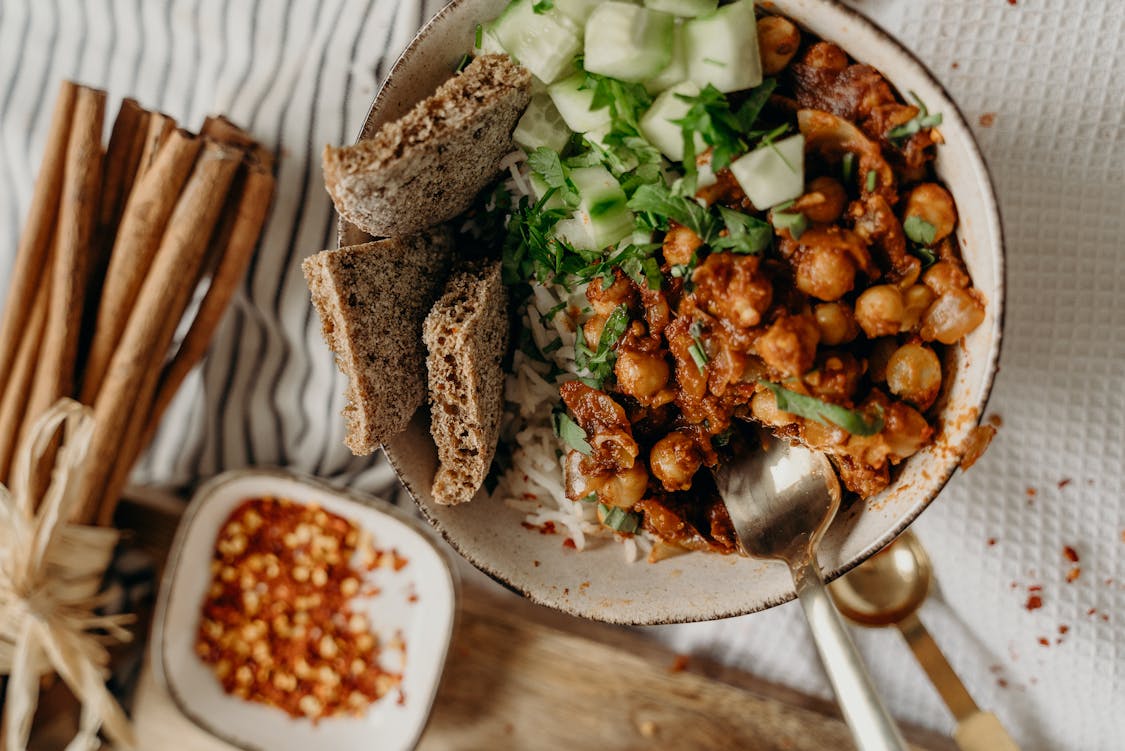
Cinnamon is a staple for cooks who reach for a warm spice that lifts both sweet and savory dishes. Frequent use calls for smart shopping so jars stay full and the flavor stays bright.
With a few buying habits you can cut waste, save money, and keep meals tasting lively. These tips aim to make the path from market shelf to spice jar smooth and satisfying.
1. Choose Ceylon Or Cassia Wisely
There are two main types of cinnamon sold widely and their profiles differ in taste, texture, and chemical makeup. True Ceylon has a delicate floral aroma and a layered sweetness while Cassia tends to be bolder and a touch bitter with a stronger, woody backbone.
Regular cooks who use cinnamon on a daily basis should match the type to the dish so the spice complements rather than overpowers. For example, light pastries or custards sing with Ceylon while robust stews and some spice rubs pair nicely with Cassia.
Cassia also works in rubs, stews, and marinades, bringing a warm, complex layer that enhances savory depth.
Health conscious shoppers may note that Cassia contains higher levels of coumarin, a natural compound that can stress the liver at high intake levels.
If recipes call for large amounts of cinnamon or if you use it several times a week, choosing Ceylon helps reduce exposure to that compound while still giving you the familiar warmth.
Swap in Ceylon for morning oatmeal or spiced teas and reserve a small bottle of Cassia for bold sauces and marinades. Having both types on hand gives flexibility without guessing at the store shelf.
2. Buy Whole Sticks When Practical
Whole cinnamon sticks hold fragrance far longer than pre ground powder because less surface area is exposed to air. When you buy sticks you can grind small amounts as needed, so the freshly milled aroma brightens dishes in a way that jarred powder rarely does.
Sticks also make strong infusions for syrups, poaching liquids, and mulled drinks where they can be removed after steeping. A little effort at the grinder pays off in flavor and shelf life.
For quick kitchen use, keep a small container of freshly ground spice and refill it from your stick supply weekly or monthly depending on use. Using whole sticks cuts down on clumping and the stale, cardboard note that can creep into older powders.
If you cook for many or prep large batches of spice blends, a commercial grinder or burr mill can be a time saver and produce uniform grinds. Sticks are economical when bought in bulk and they reduce the need for repeated small purchases that add up over time.
3. Evaluate Aroma And Freshness At Purchase
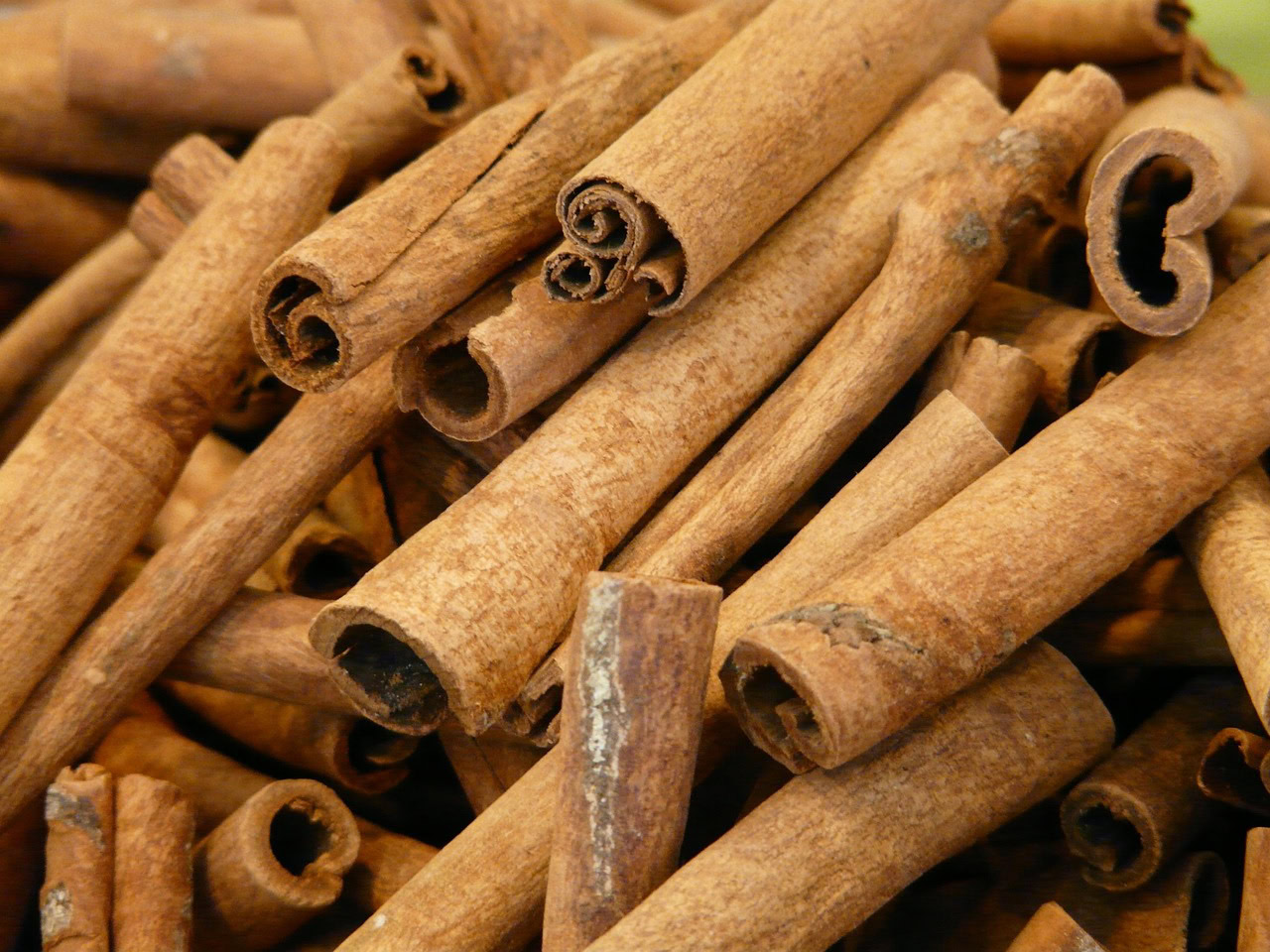
Your nose is a powerful tool when picking cinnamon; a short sniff can reveal much about freshness and quality. Fresh cinnamon should have a lively, warm scent with hints of sweet wood and a faint citrus lift in the best specimens.
Avoid jars with a flat, dusty smell which signals age or long storage under poor conditions. Ask at markets for rotation dates when possible or pick packages from the top shelves where turnover is higher.
Packaging matters because light and moisture degrade volatile oils that give cinnamon its character. Clear jars left in sunlit aisles will deteriorate faster than sealed opaque containers kept in cool spots.
If you shop at bulk bins, scoop a tiny sample onto a clean surface and compress it gently between fingers to release the volatile oils and check the aroma. Choosing items with a vivid smell means the spice will perform strongly in recipes with less added quantity.
4. Buy The Right Quantity And Store It Well
Frequent cooks should buy enough to last through several months without stock going stale, but not so much that oils fade before use. Calculate how much you use weekly and multiply for a sensible window of freshness, such as three to six months for ground spice and up to a year for whole sticks when stored properly.
Store jars in a cool, dark cupboard away from heat sources and open flames so the oils retain their integrity. Airtight containers with small openings limit air exchange and help maintain potency from week to week.
Label containers with the purchase date and type to track rotation and avoid accidental long term storage of older spice. Use smaller jars for day to day access and keep the bulk supply in a sealed bag in a cool place to feed the smaller jar.
Old spice may still be safe but it becomes less effective, pushing cooks to add more and waste money. Smart storage keeps jars lively and cuts down on throwaway spends.
5. Look For Reliable Sourcing And Labels
A clear label helps you know origin, processing, and whether the cinnamon was tested for contaminants. Countries of origin can give clues about variety and quality, with certain regions known for lighter Ceylon while others are main producers of Cassia.
Organic or tested lots can be comforting for heavy users who want to avoid residues or low grade mixes. Trusted brands that provide batch numbers and lab testing details reduce guesswork and offer traceable consistency.
Local spice sellers and specialty markets often have tighter rotation and staff who can answer questions about harvest and handling practices. Ask how long a bag has been on the shelf and whether the supplier mills on site or sources pre ground product.
A seller who treats spice like a craft item will be more likely to have fresher inventory and practical storage habits. Over time you build a short list of vendors you trust and the shopping process becomes quicker and far less hit or miss.
