
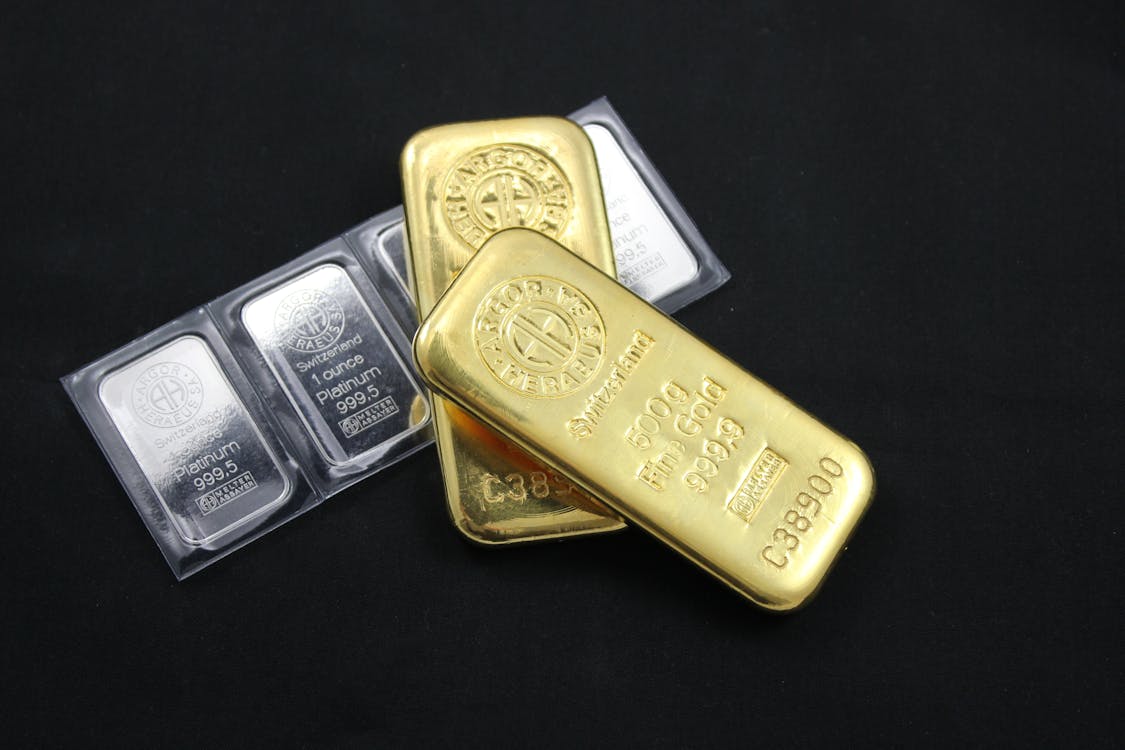
Precious metals have long served as a store of value and an inflation hedge for investors looking for ballast in rough markets, from ancient coin hoards to modern sovereign reserves.
Gold, silver, platinum and palladium each bring a distinct combination of liquidity, industrial demand and historical trust, while their supply dynamics and mining profiles differ widely and influence price behavior.
A thoughtful approach helps with timing, storage choices, and tax planning without turning a portfolio into a gamble, and practical rules and simple processes often keep emotion from driving costly moves.
Whether you’re just starting out or are a seasoned investor, partnering with a secure precious metals exchange and dealer can ensure that your transactions are both reliable and safe.
Why Precious Metals Matter
Metal assets often act as a counterweight when paper currencies lose purchasing power, offering an alternative claim on real goods and services that many investors find reassuring.
Gold attracts attention for its deep market and long track record of being treated as a safe haven, while silver mixes monetary appeal with tangible industrial uses that affect its price dynamics.
Platinum and palladium carry closer links to manufacturing, particularly the auto and chemical sectors, and their prices can swing more forcefully when demand shifts.
Including a modest allocation to these metals can dampen overall portfolio volatility and add a source of uncorrelated returns that complements bonds and equities.
Types Of Precious Metal Investments
There are several routes to exposure, from owning physical bullion to holding shares in miners or trading futures and options, and each route has distinct trade offs around cost and convenience.
Physical ownership means storage and insurance expenses but gives direct control, while exchange traded funds let investors buy and sell on regular exchanges without handling metal in person.
Mining stocks offer leverage to rising metal prices but introduce firm level issues such as management choices, mine life and political risk that drive company valuations.
Derivative markets provide efficient ways to express short term views, yet they require active management of margin needs and roll schedules when positions are not held to expiry.
Physical Ownership Options
Bullion comes in many forms, from government minted coins that can carry collectible premiums to cast bars that trade closer to spot value, and choosing between them depends on priorities for liquidity and cost.
Home storage feels private and immediate, although that approach demands careful thinking about security, insurance coverage and estate instructions so heirs can access assets smoothly.
Professional vaults offer allocated storage where individual metal is segregated and audited, which reduces theft and administrative risk while adding storage and handling fees. For many investors a split approach works, combining a small, insured stash at home with larger holdings in reputable vaults to balance access with safety.
Paper Based Investments

Exchange traded funds backed by physical metal simplify buying and selling, and some products allow in specie redemptions that let large holders take delivery, which is useful for tactical traders and institutions.
Bond like structures that hold metal in trust differ in transparency and cost, so reviewing audit statements, fee schedules and redemption mechanisms is a sensible step before committing funds.
Futures and options permit targeted exposure and precise risk management techniques, though they introduce leverage and require a plan for margin calls and expiration roll rules.
Investing in company equity connects a metal price move to operational performance of mines, which can amplify gains or losses and call for separate research into management and reserve quality.
Portfolio Allocation Tactics
Allocation choices hinge on goals, time frame and appetite for volatility, and a clear written policy helps avoid knee jerk reactions when markets jump. A common pattern is to maintain a core position meant to hedge broad systemic risk with smaller tactical bets taken when valuations or signals offer an edge.
Some investors prefer a fixed percentage based on household net worth while others rebalance holdings as economic indicators change, giving each approach predictable discipline. Never put all your eggs in one basket, spread holdings across different forms of metal exposure and across geographic jurisdictions to lower single point failure risk.
Risk Management Techniques
Price action for some metals can be sharp and fast, thus strict rules on position sizing and loss limits protect capital when markets go against a thesis. Phased entries and scaled exits smooth the impact of timing mistakes and cut the odds of buying at a peak or selling at a trough, which helps to keep trading costs in check.
Hedging with options or short futures suits sophisticated accounts that can absorb periodic costs for protection, and such tactics work best when part of a documented plan.
For physical holdings, clear labeling, provenance records and insurance certificates reduce legal headaches on transfer and sale, and periodic audits keep paperwork in order.
Tax And Regulatory Factors
Tax regimes differ widely from one jurisdiction to the next and can change how profitable a trade looks after all levies and reporting obligations are tallied, therefore know local rules before making large purchases.
Some countries tax coins as collectibles at special rates while others treat gains as capital income subject to different holding period rules that affect the effective tax rate.
Customs, import duties and reporting for cross border transfers add procedural steps and possible costs that are easy to overlook when buying from foreign dealers or arranging vault storage abroad.
A tax advisor familiar with tangible asset rules can help map tax liabilities, suggest record keeping best practices and flag potential filing requirements well before tax season.
Timing And Market Signals
Macro cues like real interest rates, currency moves and headline inflation readings often correlate with metal price trends, but they rarely give perfect entry points and should be combined with other measures.
Physical demand figures such as coin sales, bar shipments and jewellery construction offer real world checks on paper market positioning and can tip the balance between temporary price swings and sustained trends.
Trader positioning in futures markets, open interest changes and option skew provide clues about crowded trades and possible mean reversion, and watching these indicators over time builds pattern recognition.
Resist trying to pick every bottom or every top, instead follow rule based entries that layer into positions and protect capital when momentum shifts quickly.
