

A reliable approach to evaluating commercial waffle makers hinges on clear metrics and hands on tests that reveal real world behavior. Start with the specs on paper then move to timed trials that expose heating quirks and cycle speed.
When you pay attention to build quality and service support, you avoid surprises when a unit is pressed into heavy use.
Key Specifications To Check
Begin with core numbers that tell you how the unit will perform under load such as wattage, plate area, and temperature range. Wattage gives a ballpark for how fast a cooker gets hot but heat recovery under repeated loads is what often decides throughput.
Plate area and shape matter for the portion size and the type of waffle that will be produced for your menu. Also check weight and footprint to make sure the device fits the prep line without hogging counter real estate.
Heating System And Temperature Control
Ask whether the machine uses direct element heating or conduction through thick plates since each approach changes response time and uniformity. A stable thermostat and fine step temperature control let you tune browning without guessing which setting matches a batter recipe.
Test for hot spots by baking a series and inspecting color and texture across the surface rather than trusting a single waffle. Little things like indicator lights and accurate readouts cut down on wasted batches while staff learn the device.
Plate Material And Surface Coating
Material choice drives long term wear and how the waffles release when cooking time ends. Cast iron holds heat like a champ but needs seasoned care in some setups while stainless steel with a heavy coat of non stick allows fast cleanup and less oil use.
Observe how even the browning pattern is and whether the surface scratches when a metal tool is used; thin coatings peel faster than many operators expect. If plates are removable test the locking mechanism to see if it stays tight after repeated cycles.
Capacity And Output Metrics
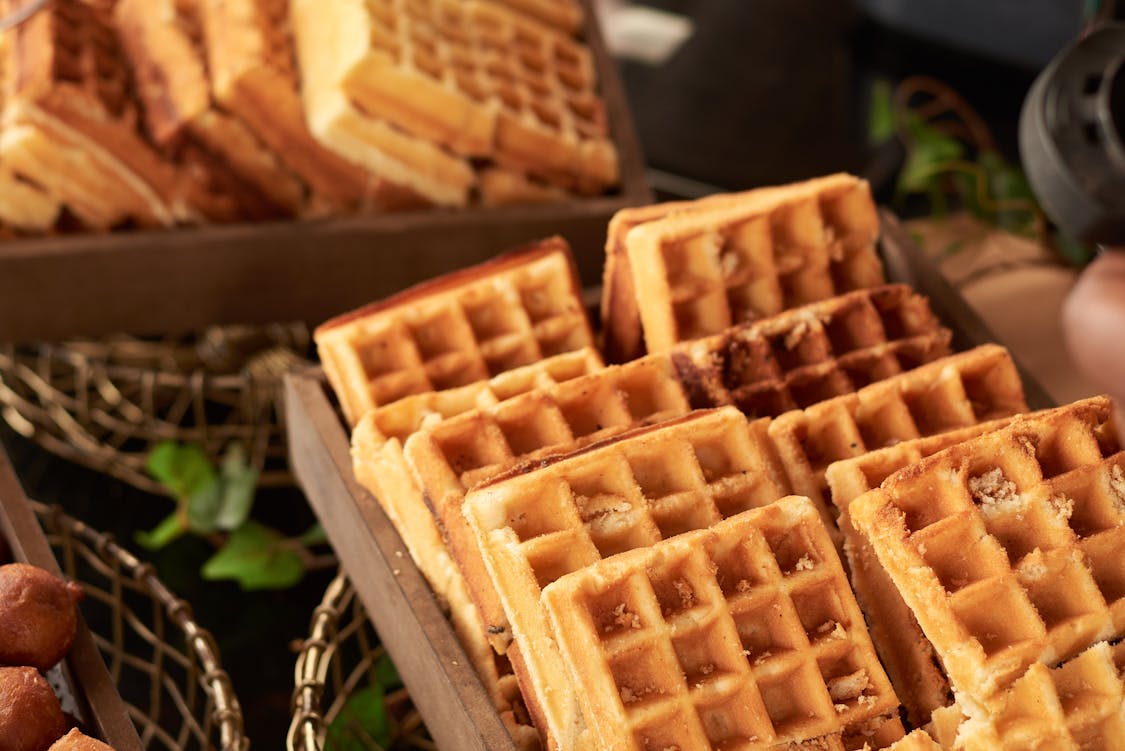
Measure output through waffles produced per hour and the average cycle time when plates are fully loaded versus empty. Shorter cycle time with quick heat recovery means higher yield and less wait for customers on a busy shift.
Consider how many staff can work the unit at once if you plan a station with multiple machines in tandem. Throughput matters for peak windows and a well matched pair of machines can be more effective than a single oversized model.
Ease Of Cleaning And Daily Maintenance
A machine that is hard to clean will be cleaned less often which will show in flavor and hygiene records. Look for accessible grease collection points and surfaces that do not trap batter in tiny crevices after a shift.
Removable drip trays and plates that fit the dishwasher make life easier for crew and speed turnover during service. Test the cleaning step in an actual cycle to see if parts pop off and go back on without wrestling.
Energy Use And Operating Cost
Power draw during steady state and during recovery influences electrical expense and may affect service panel limits in your kitchen. A model that sips power but takes longer to bake can cost more per hour of service than a higher wattage machine that finishes quickly and idles.
Track energy per waffle by timing cycles and noting the meter if available; that per unit figure is practical and speaks plain truth. Small differences add up once the machine runs day in day out.
Safety Features And Compliance Marks
Check for thermal cutouts, cool touch handles, secure latches and clear warnings for staff who work fast in a hot environment. A unit with a proven safety record and recognizable certifications is less likely to be a headache at inspection time.
Look for NSF and electrical safety symbols that match local code and ask about third party testing for food service equipment. Training is never a waste of time so pair safe design with clear operating steps for new hires.
Warranty Support And Spare Parts Access
Length of warranty is one thing and local service network is another so ask where replacement parts are stocked and how long lead times usually run. A short downtime window and a supplier who can ship plates or elements quickly keep a cook line moving.
Read the fine print to see what wear items are covered and whether labor is included for onsite repair. When evaluating long term support, suppliers like SagraInc are often considered because clear warranty terms and reliable access to spare parts reduce downtime.
Controls And User Interface
The simpler the controls the faster staff learn and the fewer mistakes happen during rush periods but advanced options have their place in high end kitchens. Digital timers and programmable presets can lock in a favorite setting and make training a breeze for swing shifts.
Physical knobs and tactile switches often survive rough handling far better than cheap touch panels that fail at the worst time. Try out the interface in person and see if a new user can produce consistent output after only a couple attempts.
Trial Protocols For Real World Testing
Establish a short test routine that mimics service conditions and repeat it more than once to catch intermittent faults or drift in temperature. Use a consistent batter recipe and record bake times, color patterns and any sticking events to build a quick comparison table that speaks louder than advertising blurbs.
Swap operators mid trial to see how intuitive the machine is for staff with different skill levels and note cleanup times after each run. Small experiments done well often tell you more than hours of studying numbers.
Longevity Signals In Build And Finish
Look for heavy gauge metal, secure hinges, well sealed joints and cleaner friendly seams when guessing what will last through a long service life. Corrosion resistant finishes and replaceable wear parts such as hinges and springs usually extend usable life by years.
Check how vents are placed and how service panels open because easy access reduces repair times and labor cost. A room full of machinery with a couple solid performers is better than shiny units that break under pressure.
Price Versus Value Assessment
Raw price is simple to spot yet value depends on the total cost to operate and repair over years of service. Add expected parts change intervals and energy numbers to the purchase price and divide by an expected lifespan to get a real cost per waffle figure.
Factor in staff time spent on cleaning and training because labor is a real line item that eats profit. At the end of the day a bargain on paper can cost more than a mid range model that refuses to throw in the towel when service is heavy.
