
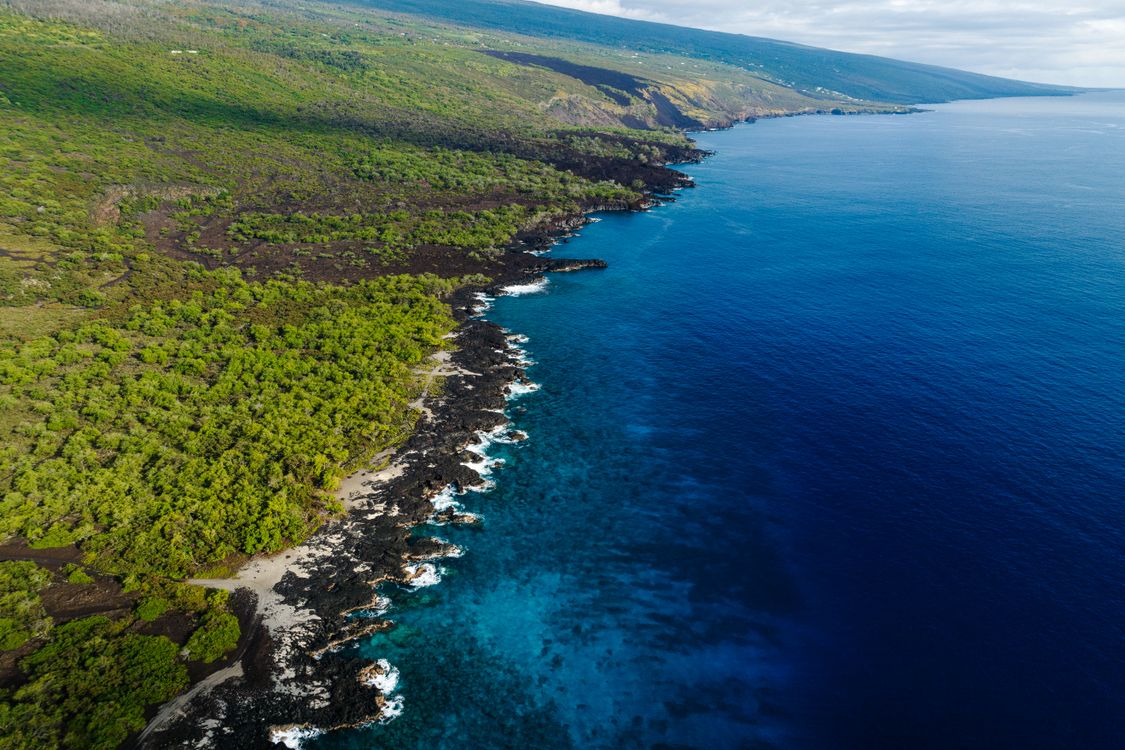
Kealakekua Bay is one of those places that earns its reputation. The water is clear, the marine life is abundant, the Captain Cook Monument anchors it in history, and the whole bay carries the protection of a Marine Life Conservation District. It is, for good reason, one of the most sought-after snorkel destinations on the Big Island. It is also a reef that has taken real damage and is now the subject of an active, ongoing restoration effort that most visitors know nothing about.
The work happening beneath the surface of this famous bay is a window into a larger truth about Hawaii’s reefs: they are not static scenery. They are being actively fought for, colony by colony, by people working out of public view.
A Famous Bay That Took a Hit
The trouble at Kealakekua is part of a pattern that has hammered Hawaii’s reefs over the past decade. The marine heatwave and bleaching event of 2015 was particularly destructive, and the bay’s reefs suffered for it. Bleaching is only one threat, though. The other, more physical danger comes from the ocean itself: large swells, especially the powerful south swells that roll into this stretch of coast, can break coral colonies loose and tumble them across the reef, where they cause still more breakage as they go.
That second threat is where a lot of the restoration energy goes, because it is both urgent and addressable. A dislodged coral is not necessarily a dead one. If a team can reach it quickly and secure it back onto the reef before it is ground to pieces or buried, the colony can survive. The window is narrow, which is why restoration in places like Kealakekua depends on rapid response as much as on long-term planning.
The bay became a focus area for a coral restoration pilot project, a collaboration between conservation groups, the state, and the community organizations tied to the area. The premise is straightforward: get to the damage fast, stabilize what can be saved, and build the local capacity to keep doing it as swells and heat keep coming.
The Slow, Hands-On Work of Reattachment
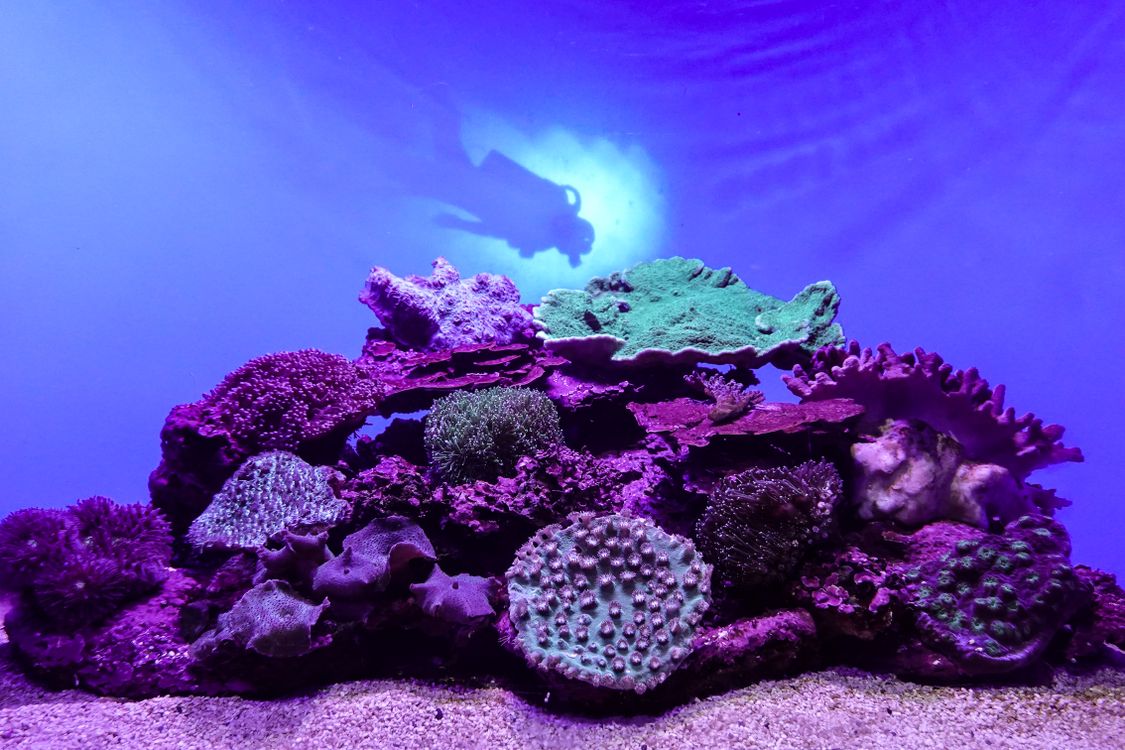
What this looks like in practice is divers in the water, locating loose colonies and securing them back to the reef structure, often racing an incoming swell that would otherwise finish the job the last one started. The scale is measured not in acres but in individual corals, each one handled deliberately.
The numbers put the effort in perspective. According to The Nature Conservancy, in 2025 restoration partners in West Hawaiʻi rescued and reattached 313 corals that had been dislodged by large winter swells. That is 313 separate colonies found, retrieved, and fixed back in place by hand in response to swell damage. It is patient, physical, repetitive work, the kind that does not photograph as dramatically as it deserves.
This is the texture of real reef restoration. It is not a one-time grand gesture. It is a standing commitment to respond every time the ocean knocks colonies loose, returning again and again to the same reef to put it back together. The teams doing it are building the muscle to keep pace with a problem that recurs by its nature, swell after swell, season after season.
What It Means to Snorkel a Recovering Reef
For a visitor floating over Kealakekua Bay, knowing this changes the experience in a quiet way. The reef under you is not simply a beautiful given. It is a place that has been damaged, fought for, and partially rebuilt by people who keep showing up. The colonies you are admiring may include ones that were knocked loose by a swell and carried back into place by a diver’s hands.
That context raises the stakes on a snorkeler’s own behavior. In a bay where teams are working this hard to reattach corals one at a time, a careless fin kick that breaks a colony is not a trivial thing. It undoes, in a careless instant, exactly the kind of work the restoration crews are straining to accomplish. The same swells that dislodge coral naturally are hard enough to keep up with; human breakage on top of it is the avoidable part. The standard guidance to never touch or stand on the reef takes on real weight in a place actively under repair, and operators running careful trips into these waters — one example is at mantaraynightsnorkelkona.com — tend to fold that etiquette into the pre-trip briefing.
It also adds a layer of meaning to a visit that the postcard version misses. Kealakekua Bay is gorgeous, and it is also a working restoration site where the line between loss and recovery is being held by deliberate human effort. Snorkeling it well, with care and awareness, makes a visitor a small participant in that effort rather than another source of pressure on it. The bay rewards that awareness, and increasingly, it needs it.
