

Many households treat wastewater without much thought yet the way we handle gray and black water shapes our health and the local environment. Treating water where it is generated keeps pollutants out of streams and reduces pressure on shared treatment plants.
Small changes at the property line can save water and money while cutting pollution at the source. Often a modest effort yields outsized benefits and a neighborhood gains when every household does its part.
Environmental Impact Of Home Wastewater Treatment
Home treatment cuts the flow of chemical and organic load into rivers and lakes so aquatic life has a better chance to thrive. By breaking down nutrients and trapping solids on site we help prevent algal blooms that choke oxygen from water bodies and kill fish.
Some on site systems also reduce the carbon footprint that comes with hauling and treating large volumes of sewage at distant facilities. When many households act in concert the collective effect is far from a drop in the bucket.
Health And Hygiene Benefits For Households
Proper treatment lowers pathogens and harmful bacteria that can contaminate wells and surface water used for recreation. Removing those risks protects children and pets who play in yards and keeps household members from exposure to illnesses that are hard to track.
Safe handling stops cross contamination inside the home and reduces the chance that a minor plumbing issue becomes a major health problem. A timely fix or upgrade often nips a public health threat in the bud before it spreads.
Water Conservation And Resource Reuse
Treating gray water for landscape irrigation and toilet flushing stretches scarce fresh water supplies during dry spells and everyday use. Reused water cuts demand on municipal systems and lets homeowners keep lawns green without drawing additional potable water for every task.
Some systems also capture and recharge groundwater which helps sustain springs and streams in dry seasons. Turning treated effluent into a resource rewards thrift and reduces the need to tap new supplies.
Economic Advantages For Homeowners
Good on site treatment saves money on utility bills and reduces the risk of costly repairs when systems fail unexpectedly. Avoiding a septic backup or an emergency pump out can be worth thousands of dollars and spare a lot of hassle.
Well maintained treatment systems also tend to hold or raise property values because buyers notice reliable plumbing and lower long term costs. A smart upgrade today often pays for itself over a span of years through lower water bills and fewer emergency fixes.
Legal And Civic Responsibilities
Local codes often require that wastewater meet minimum standards before it leaves a property so neighbors and downstream users are not harmed. Compliance protects homeowners from fines and from disputes with neighbors when odors or contamination become obvious.
Serving the common good in this way keeps shared waterways usable for fishing, swimming and irrigation where those activities matter. Acting responsibly helps keep community relations smooth and limits liability for avoidable incidents.
Common Home Treatment Systems Explained
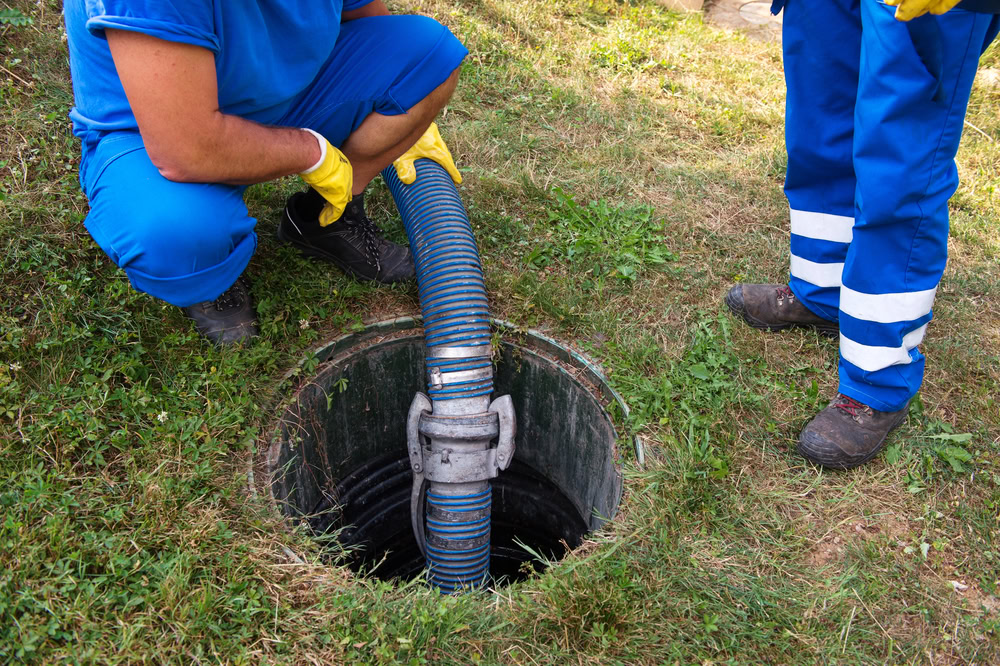
A traditional septic tank settles solids and lets bacteria digest organic matter while soil absorption fields polish the liquid before it reaches groundwater. Constructed wetlands mimic nature by routing wastewater through plant roots and microbial zones that remove nutrients in a gentle, visible way.
More compact options include aerobic biofilters that add oxygen and speed decomposition, and composting toilets that separate solids for safe, dry treatment. Matching a system to soil type, household size and future plans makes a big difference in performance and longevity.
Simple Maintenance Habits That Work
Regular inspection and pumping schedules keep tanks from overflowing and fields from clogging, which cuts the chance of backups that are both messy and expensive. Avoid flushing materials that do not break down such as wipes and sanitary products and steer clear of pouring harsh chemicals down drains that kill helpful bacteria.
Conserving water with efficient fixtures reduces hydraulic load so the system can do its job without being stressed. Small habits repeated over time stop many problems before they take root.
For guidance on installing or maintaining a system that truly protects your property and local waterways, it’s wise to consult the wastewater experts at All Kind Wastewater.
Preparing Homes For Climate Variation
Adapting systems to handle intense storms and long dry spells makes a home more resilient when weather patterns shift unexpectedly. Designing for occasional high flows and allowing for temporary storage during heavy rain keeps treatment fields from becoming saturated and failing.
During drought homeowners can switch to reuse modes and harvest treated water for non potable tasks to protect drinking supplies. Thoughtful planning lets a household weather swings without being caught flat footed.
Putting Knowledge Into Practical Action
Learning how a particular system works gives confidence to owners so maintenance becomes manageable and timely interventions happen when needed. Simple test kits and local service providers can reveal problems early and help choose repairs that fit the scale of the house and yard.
Talking with neighbors about shared experiences often surfaces useful tips and avoids repeating avoidable mistakes. A few proactive choices at home lock in benefits for years and help keep water healthy for the next person in line.
