
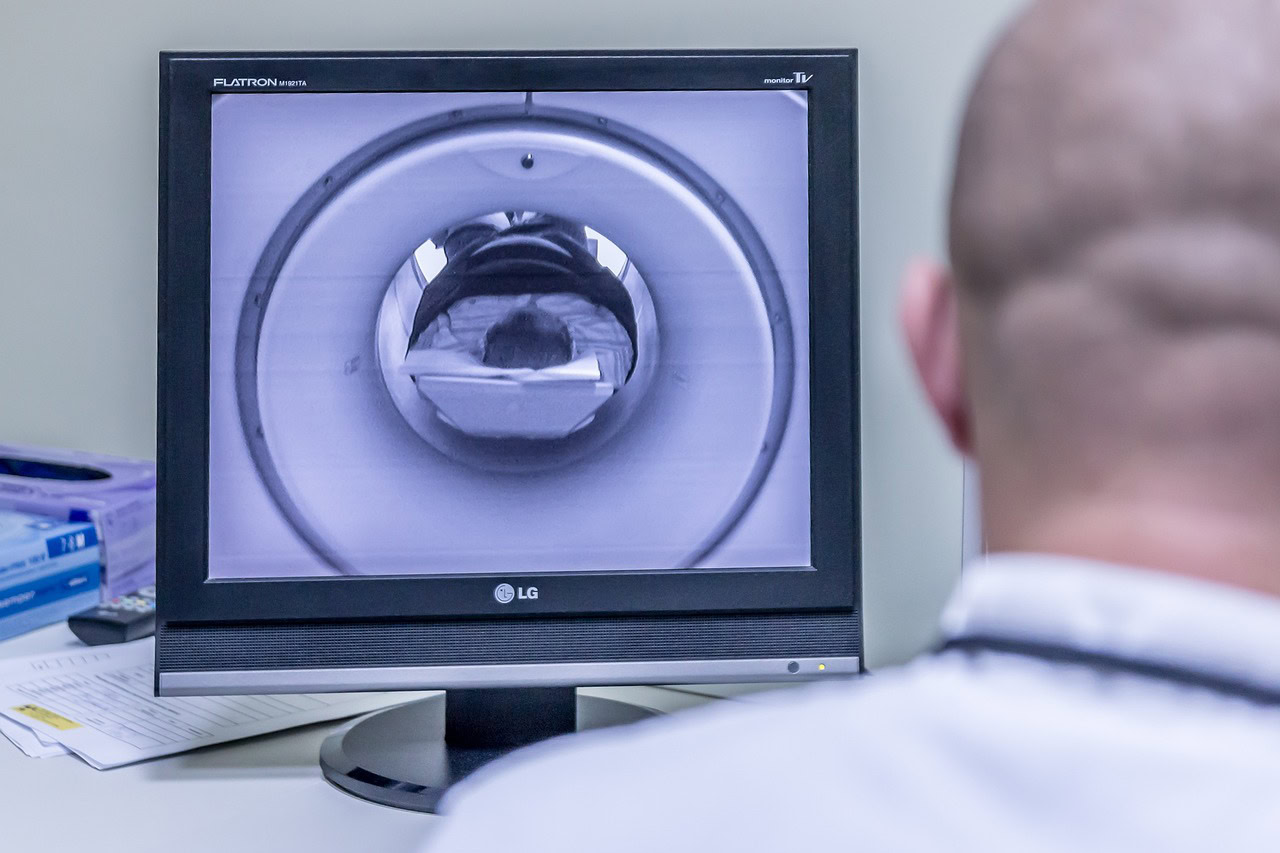
Implementing artificial intelligence to speed up report generation in imaging can transform how teams work and how patients get answers. Faster draft reports reduce waiting time and help clinicians act sooner when a finding is urgent.
At the same time accuracy cannot be sacrificed for speed and a measured approach keeps quality high while accelerating routine tasks.
Why Faster Reports Matter In Imaging
Faster reports cut delay between image acquisition and clinical action which can be critical for acute cases and routine follow up alike. When routine findings are drafted quickly clinicians spend less time on paperwork and more time on patients which boosts morale and throughput.
Quicker turnaround is often noticed by referring physicians and can influence patient flow across the service line. Speed without quality is no good, so build speed with safeguards and a clear chain of accountability.
Establish Clean Labeled Data Pools
Quality training data begins with clean, well annotated studies where labels are consistent and rooted in local reporting style. Create a process to curate cases that covers typical anatomy, common pathologies, and edge cases that throw a curve ball at algorithms.
Use small teams of trained annotators for initial passes and add expert review for ambiguous cases so the set grows in trustworthiness. This approach often leads to faster reads with smarter dictation, since structured suggestions help radiologists finalize reports with fewer edits.
Protect Patient Privacy And Data Security
Patient data must be handled with care and stored behind strong access controls and encrypted channels so you sleep better at night and meet regulatory norms. Anonymize image headers and strip identifiers from report text while keeping study context that the model needs to learn clinical patterns.
Maintain audit trails that log who accessed what and when so there is accountability if questions come up later. Good security builds trust and keeps the project on the right side of compliance.
Choose The Right AI Approach
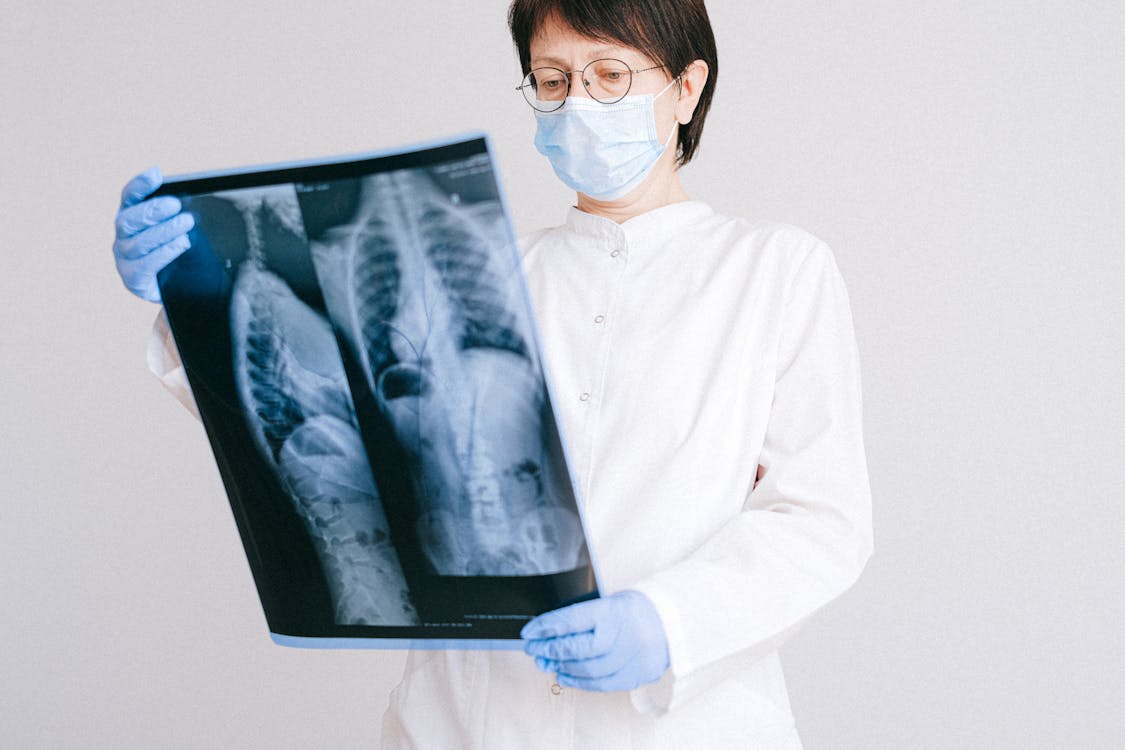
Decide whether a model should classify images, extract structured findings, or generate natural language drafts and match the method to the task at hand. For image analysis convolutional models or encoder decoders excel at detection and segmentation while transformer architectures shine at linking image features to text.
It is fine to mix approaches so an image model finds lesions and a text model writes sentences that fit local style. Keep the stack modular so components can be swapped if a better trick comes along.
Train And Fine Tune Models With Care
Start with pre trained weights where possible so the model inherits useful general patterns and then fine tune on local data to capture institution specific phrasing and case mix. Split data into training validation and test sets that reflect realistic case distributions to avoid optimism bias and to reveal blind spots.
Use data augmentation and mild regularization to help the model generalize rather than memorize oddities in the corpus. Human in the loop cycles where experts correct output will speed improvement and teach the system what counts as clinically meaningful.
Integrate AI Into Reporting Workflows
Embed AI outputs where radiologists actually work so they become part of normal flow rather than an extra chore that must be chased down. Provide draft text as an editable suggestion that can be accepted edited or rejected so the radiologist retains final say and the system learns from edits.
Make the interface lightweight and fast so the tool feels like assistance and not like added complexity that slows you down. Little things such as keyboard shortcuts and clear markers for AI suggested content make a big difference on busy reporting days.
Automate Report Drafting With Natural Language Techniques
Use natural language models to build coherent sentence structures that match local style and use templating to handle routine sections that rarely change. Combine rule based extractors with statistical language modules so specific measurements and laterality come through accurately and narrative tone stays consistent.
Keep a small library of approved phrasing to avoid the model inventing odd turns of phrase and to help the team speak with one voice. When the draft is close the radiologist can cut to the chase and finalize the report quickly.
Monitor Performance And Validate Regularly
Set up metrics that track both speed and accuracy so you can see what improves and what slips under the hood with time. Periodically run the system against held out sets and a mix of fresh clinical cases to spot drift and new failure modes that crop up when case mix changes.
Capture edits made by clinicians and feed high value corrections back into training cycles to tighten performance so the model keeps up with real world needs. A small feedback loop that operates frequently beats a large overhaul that happens once in a blue moon.
Manage Change And Train Staff
Roll out changes in phases and include training sessions that show how the tool works and where it falls short so the clinical team builds realistic expectations. Encourage early adopters to share stories about time saved and tricky cases caught by the system so others feel more comfortable trying it.
Allow users to provide quick feedback and give them a visible role in refining the tool which makes adoption smoother and less painful. Respect that habits take time to shift and give the team low friction ways to work with the system rather than against it.
Handle Edge Cases And Failure Modes
Plan for the moment when the model is unsure and show uncertainty clearly so clinicians know when to look more closely at a study. Flag cases with high variability low confidence or novel features and route them for extra review rather than letting an automated draft stand unchallenged.
Keep a playbook for rapid human review that includes steps to escalate tricky findings to subspecialists so nothing gets lost in the shuffle. Admitting what you do not know is often the best policy and keeps patient safety squarely at the center.
Scale Thoughtfully And Iterate Often
Once local value is proven scale to more modalities or sites by porting core components and retraining with new data so the system adapts to local practice patterns. Keep deployments small enough to manage while wide enough to collect meaningful feedback so you can pivot quickly when needed.
Balance ambition with pragmatism so each new capability provides clear time savings or quality gains for clinicians on the ground. Iterate in short cycles and let real use guide priorities rather than chasing a perfect solution from the outset.
