
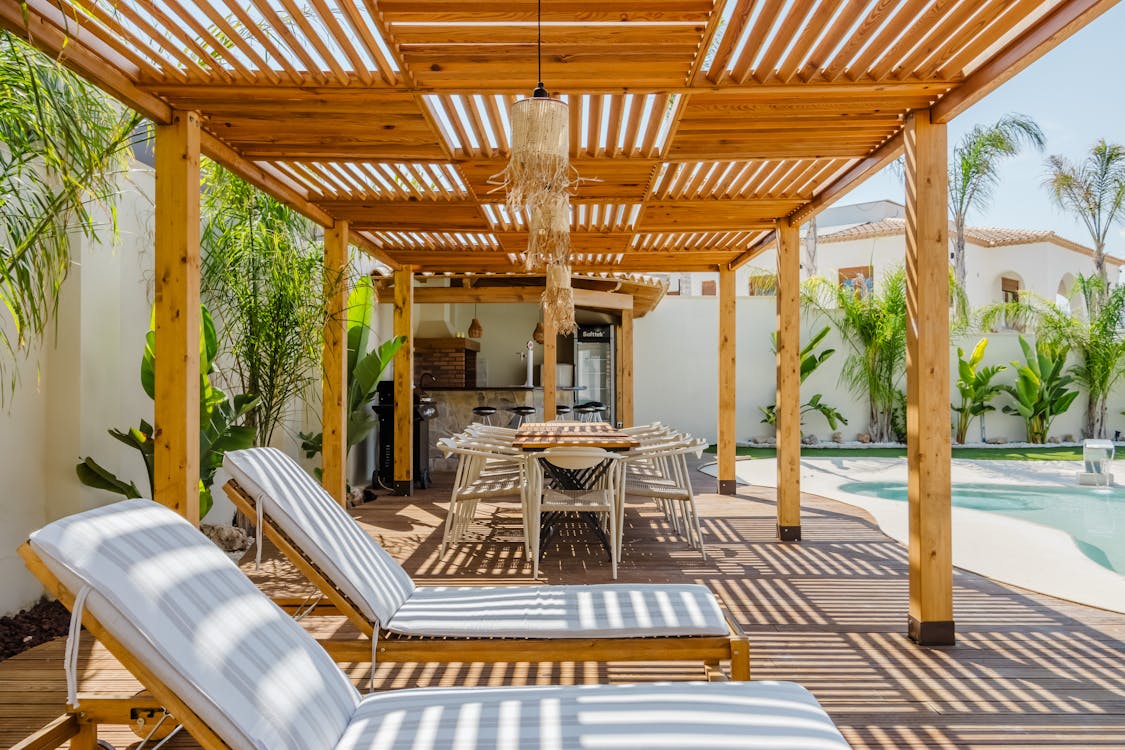
Choosing the right patio cover can change how you use outdoor space and how long it lasts. Budget matters, but style, climate, and long term upkeep play large roles too.
A smart choice balances shelter, light, and airflow while fitting wallet limits and house character. Looking at very different levels of sun protection can help you decide whether a fully shaded or partially sunny area works best for your lifestyle.
Below are clear pathways to help select a cover that works now and holds value over time.
Materials And Durability
Material choice shapes cost, lifetime, and the look you get from day one. Wood gives warmth and can age into a classic look, yet it calls for periodic staining or sealing to keep rot and pests at bay.
Aluminum resists rust and needs little maintenance, making it a solid pick for folks who want less fuss and steady performance. Polycarbonate and other panels let light through while blocking rain, offering a compromise between shelter and brightness.
Fixed Roof Versus Retractable
A fixed roof delivers continuous protection and often feels like an outdoor room extension rather than a temporary cover. Retractable systems bring flexibility and let you welcome sun or shade on demand, which helps manage heat in strong summer sun.
Cost ranges for both can be wide because size, motorization, and material choices drive price up or down. Think about how often you will change the roofing state and whether a simple manual unit meets needs or automated control is worth the spend.
Size Placement And Orientation
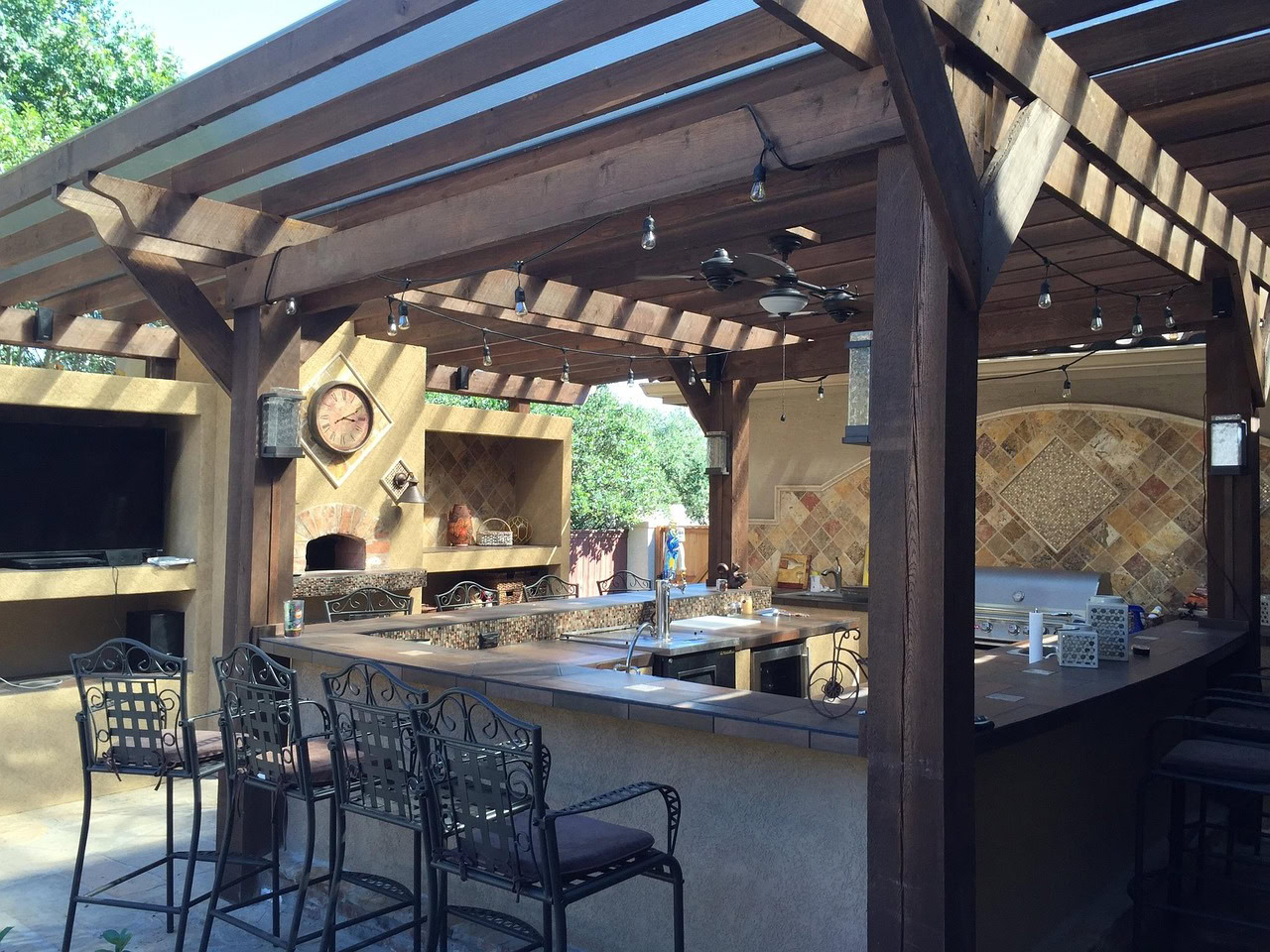
Choosing the right footprint for a cover starts with how you use the space and moves on to how the roof fits the house facade. A larger canopy creates zones for dining, grilling, and relaxing while a compact cover is easier on budget and maintenance.
Orientation toward prevailing breezes helps keep the area cool and can reduce need for mechanical cooling during warm months. Also check shade patterns at different times of day so the cover supports intended activities from morning coffee to evening gatherings.
Roof Pitch And Drainage
Pitch affects both the style and function of a cover and plays a primary role in managing storms and leaf load. A gentle slope can be suave with modern homes while a steeper angle sheds water faster and reduces debris buildup.
Make sure downspouts and gutters move water away from foundations to protect landscaping and avoid damp walls. Even small design tweaks to slope and drainage save repair costs down the line.
Lighting Ventilation And Comfort
Good outdoor design blends shelter with pockets of light and airflow so the space feels pleasant at many hours. Built in lighting choices range from simple string lights to recessed fixtures wired into the home electrical system for a polished look.
Cross ventilation and ceiling fans lower heat and disperse smoke from barbecues, keeping gatherings comfortable without overreliance on indoor systems. Think about night use and add task lights near cooking or seating to keep things functional and inviting.
Installation Options And Permits
Some covers are simple enough for an ambitious DIYer while others require pro skill with anchoring, flashing, and structural connections to the house. Local building codes often govern roof attachments and load bearing so checking permit rules early saves wasted time and surprise expenses.
Hiring a licensed installer brings warranty protection and usually faster completion with fewer hiccups. If budget is tight, request phased work where core structure goes in now and extras come later.
Budgeting And Cost Saving Strategies
Start with a clear top line number and separate essentials from nice to have upgrades so choices remain flexible as final bids come in. Use off the shelf kits for simpler layouts when labor is the biggest line item in a bid, because factory pieces can be cheaper than custom framing.
Salvaged wood, composite decking, or lower cost poly panels can cut material spend while still delivering a pleasing result. Ask for multiple quotes and compare the scope not just the total so you can spot hidden costs like flashing, electrical, or permit fees.
Style Color And Integration With Home
Harmony between house and patio cover makes the addition look intentional rather than tacked on at the last minute. Paint, stain, or powder coat selection ties the structure into roof lines, trim, and existing outdoor furniture to create a cohesive scene.
Trim details, posts, and column styles can echo architectural themes and lift a simple cover into something that reads like part of the original plan. Small touches such as matching hardware and complementary lighting help the whole area feel finished without a major spend.
Maintenance And Longevity
A maintenance plan extends life and keeps performance steady so repair costs stay predictable rather than sporadic and painful. Regular cleaning of gutters and panels, seasonal checks for loose fasteners, and prompt touch ups to finish layers slow wear and lock in value.
Choosing rot resistant or rust proof materials reduces the chore list and frees time for use rather than upkeep. When damage does occur acting fast often means minor repair rather than a full replacement later on.
