
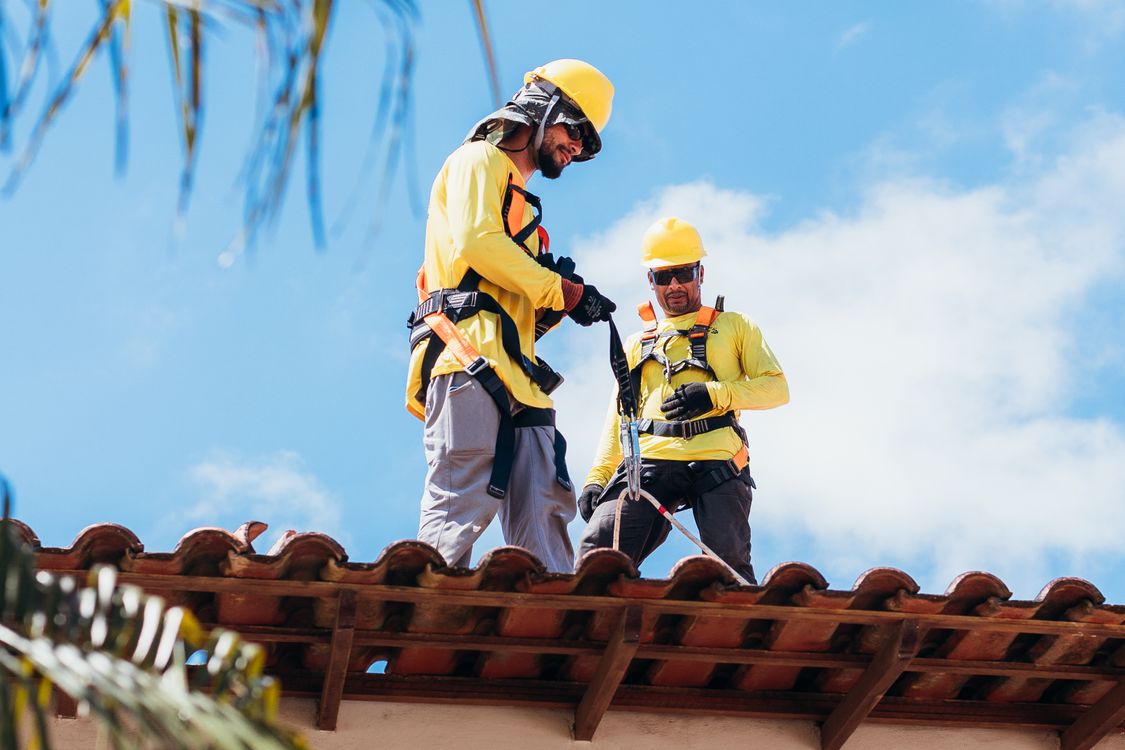
Veteran workforce programs increasingly point former service members toward skilled trades, where employers are also trying to fill persistent labor gaps.
Roofing is one possible destination within that broader construction pipeline, alongside electrical, HVAC, welding, plumbing, and other skilled trades.
Why Skilled Trades Recruit Veterans
Transitioning out of the military is harder than it looks from the outside. A Wounded Warrior Project study, cited in a recent industry analysis, found that roughly a third of veterans have difficulty finding full-time employment after their service ends, and many who do find work end up underemployed relative to their training and experience.
Part of the difficulty comes from translation, not capability. Military occupational specialties often map imperfectly onto civilian job titles, and hiring managers outside the defense sector don’t always recognize how directly certain military roles, like combat engineering or facilities maintenance, prepare someone for physical trade work.
Construction employers often value transferable skills such as safety discipline, teamwork, equipment familiarity, and comfort working within defined procedures.
That gap has pushed veteran support organizations and trade schools to build more direct pathways from military service into construction careers. Programs increasingly target the months right before and after separation, when service members are still eligible to use military education benefits toward vocational credentials.
Skilled trade training programs typically run far shorter than a traditional degree, often six to twelve months before a graduate is ready to enter the workforce. For veterans looking to start earning quickly after leaving structured military pay, that shorter runway matters compared to a multi-year college program.
A Documented Trade-Labor Shortfall Creates Room for New Entrants
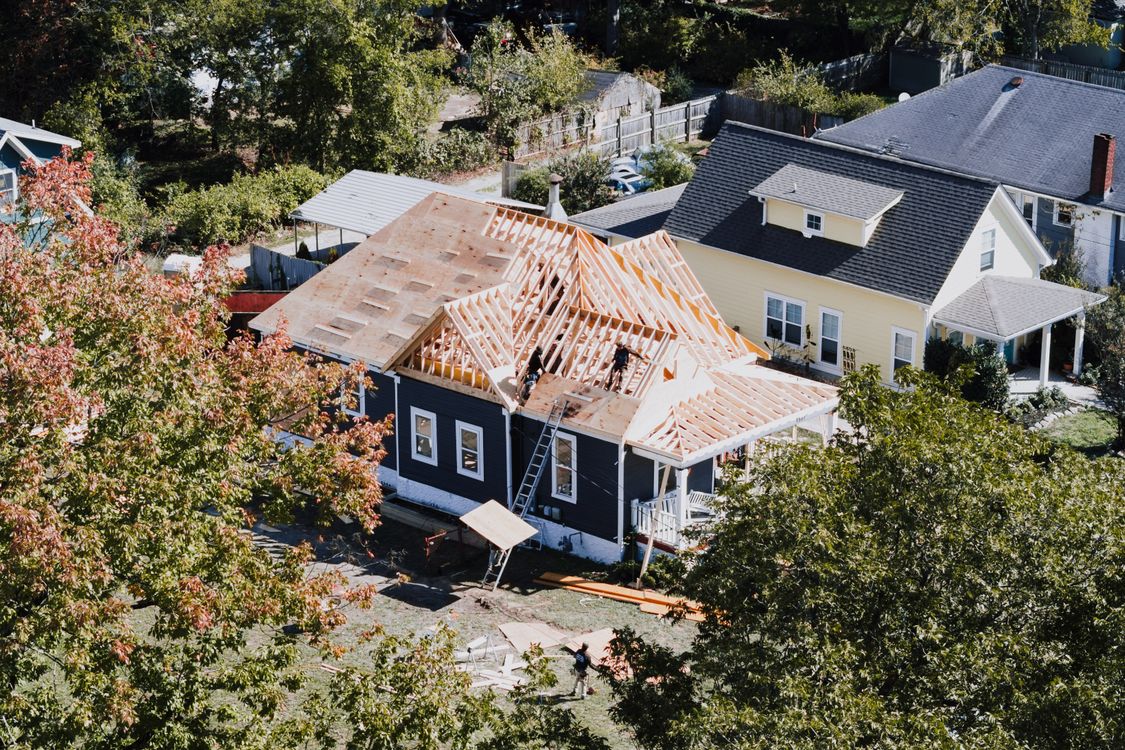
The scale of the trade labor gap veterans are stepping into is substantial. The U.S. Department of Education has estimated that 2.1 million trade positions could go unfilled by 2030 without a real shift in who enters these fields, a projection widely cited in workforce development circles.
That shortfall spans electricians, welders, HVAC technicians, and roofers alike, and wage data for adjacent trades shows why the opportunity has become attractive. Federal wage tracking shows electricians earning in the $60,000 to $68,000 range annually, with HVAC technicians and welders not far behind, figures that compare well to many entry points available to veterans without a college degree.
Trade schools have taken notice and expanded veteran-specific tracks accordingly. One frequently cited example involves a Navy veteran who completed credentials in welding, HVAC, and electrical work through a technical school’s veteran program, using military education funding, and secured full-time employment before even finishing the coursework.
That kind of outcome has become common enough that trade schools now market veteran placement rates alongside program length and cost, treating it as a selling point the way traditional universities treat graduate employment statistics. The overlap between veteran benefit eligibility and short-format vocational training has made the trades a more visible option in military transition briefings than they used to be.
Why Roofing Can Fit Some Veterans’ Skills
Roofing can suit people who prefer physical, team-based outdoor work, but military experience is varied and should not be reduced to a single personality or job preference.
Crew-based construction can provide clear roles and responsibilities, while still requiring civilians to learn trade-specific techniques and safety standards.
Safety discipline can transfer well, but fall protection and roofing procedures require industry-specific training regardless of a worker’s prior background.
Some veterans may prefer hands-on construction work; others will not. The opportunity is about access to a labor market, not a universal fit.
Central Texas’s recurring construction and storm-repair demand can create opportunities for qualified workers, including veterans, without proving that veteran hiring is unusually high in the local roofing sector.
For Austin roofing companies, veteran recruiting is best framed as one potential workforce pipeline within a much larger skilled-trades shortage. An Austin roofing contractor looking for disciplined, safety-conscious workers may reasonably view veteran recruiting as one possible pipeline, not a guaranteed fit for every role.
