
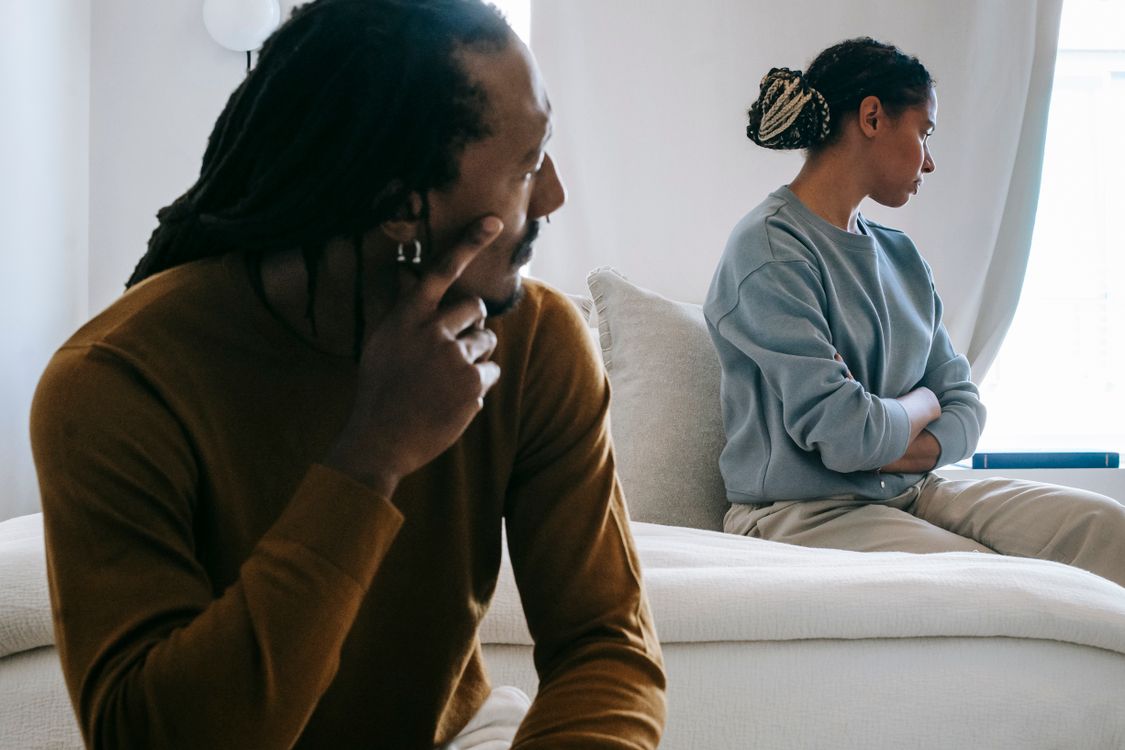
The disagreement over whether to see a couples therapist doesn’t start when a relationship hits trouble. According to data drawn from the National Survey of Family Growth, it starts well before the wedding, and it never really closes.
Fifty-five percent of U.S. adults report having ever received some form of premarital counseling. But narrow that to married adults reporting counseling specifically tied to their marriage, and the figure drops to just 21%. That’s a wide gap between people who’ve had some brush with relationship preparation and people who actually walked into their marriage having done the work together.
A Shrinking Pool of Marriages, A Persistent Access Gap
The backdrop makes the gap more notable, not less. U.S. marriage rates fell 6.5% between 2000 and 2019, and marriages themselves declined a further 2.6% between 2021 and 2022 alone. Fewer people are marrying, and among those who do, roughly four in five never sit down with a counselor before making the decision formal.
That’s not because the evidence against doing so is weak. A large meta-analysis of couple-based interventions found an average effect size of roughly g≈0.40 on relationship functioning, a moderate but real benefit, and other research has tied structured relationship education to measurable reductions in relationship dissolution risk down the line.
The Asymmetry Starts Earlier Than People Assume

What premarital data adds to the broader “one partner wants therapy, the other doesn’t” conversation is a timeline. This isn’t a dynamic that suddenly appears five or ten years into a marriage when things get hard. If the national pattern holds at the individual level, many couples are already unevenly matched on their appetite for structured relationship work before they’ve even signed a marriage license.
That has implications for how couples later interpret resistance. A partner who skipped premarital counseling without much internal conflict about it may not be reacting to the present relationship’s problems when they resist couples therapy years later. They may simply be extending a pattern that was already there, unexamined, from the very beginning.
Why the Gap Persists
Part of the answer is practical. Programs that do exist typically run 6 to 10 weeks and require 6 to 8 sessions, a real time commitment for couples in the middle of planning a wedding. Completion rates for web-based relationship education programs sit around 72%, respectable, but still leaving over a quarter of enrolled participants dropping out before finishing.
None of this means premarital counseling is a guarantee against later conflict over whether to pursue couples therapy. But the data suggests the “why won’t you go” conversation older couples have is often a much older conversation than either partner realizes, one that’s simply changed its name and its stakes along the way.
