
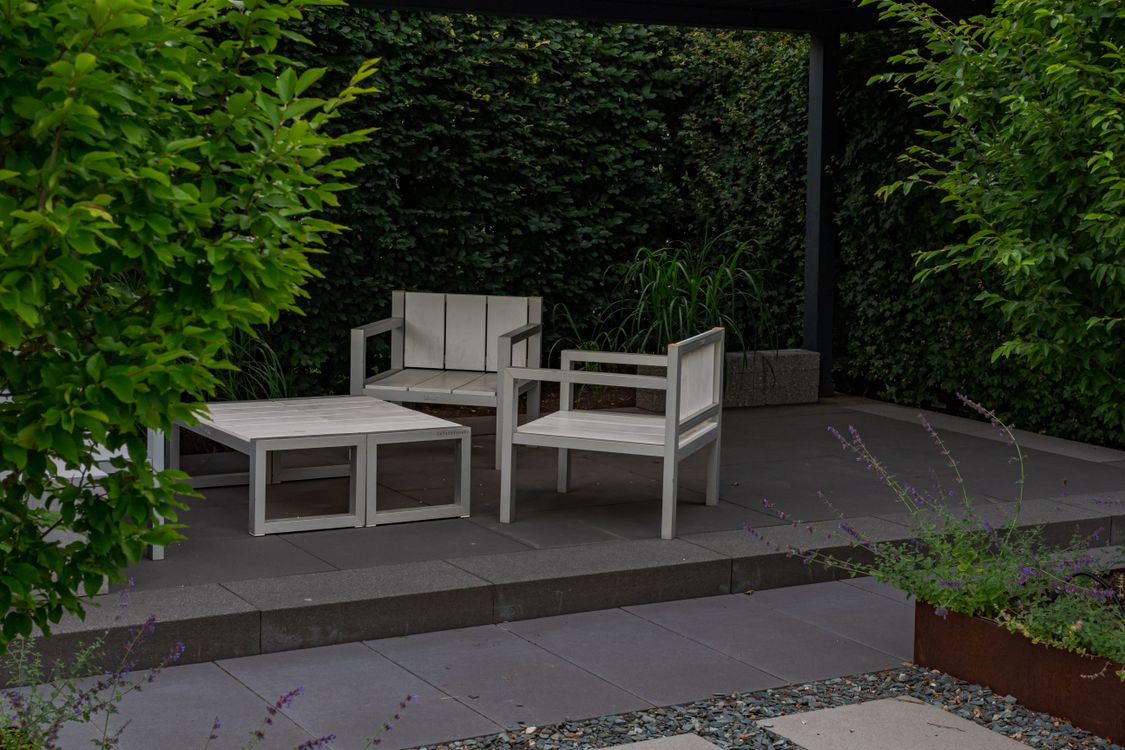
Most homeowners ripping out a lawn are thinking about water bills. Few are thinking about paver joint filler. But a regional rebate program’s fine print is quietly shaping exactly that decision across San Diego County.
The Program Behind the Push
SoCal Water$mart, administered by the Metropolitan Water District of Southern California, pays homeowners to remove turf and replace it with drought-tolerant landscaping. The base rebate runs several dollars per square foot, with additional funding sometimes available through local water agencies, and it’s been one of the more heavily used conservation incentives in the region for years.
The eligibility rules, though, are specific in ways that matter directly to hardscape choices. Turf areas replaced with structures or any impermeable surfaces will not be eligible for a rebate, and pathways can only use materials like broken concrete or flagstone if they’re filled with loose sand rather than grouted in cement.
Why That Detail Changes What Goes in the Ground
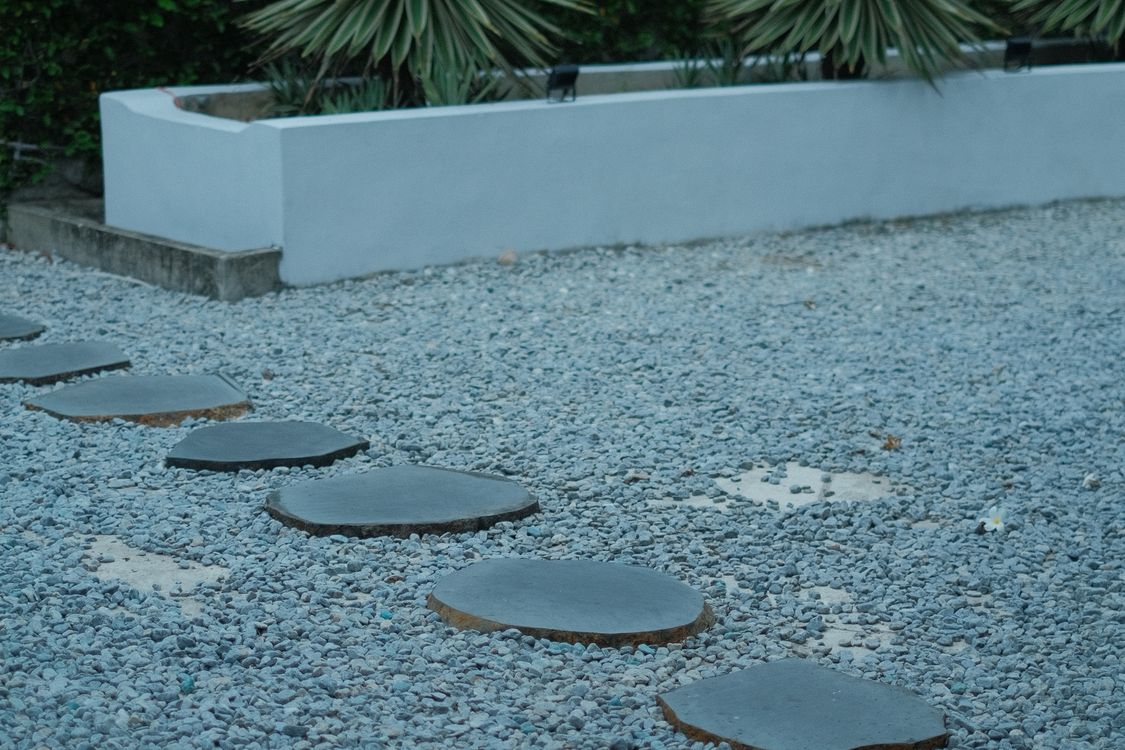
A poured concrete patio, or pavers set in a solid mortar bed, disqualifies that section of a project from the rebate entirely. A permeable paver system, jointed with sand or fine gravel instead of cement, can qualify as part of the broader conversion, since it still lets air and water pass through to the soil below.
For homeowners converting a large front or side yard, that distinction can be worth real money. A project mixing drought-tolerant planting beds with a permeable paver walkway or seating area keeps more of the total square footage eligible than the same layout built with solid concrete or cement-set stone.
The program’s synthetic turf exclusion pushes in a related direction. Homeowners who might otherwise have swapped grass for artificial turf, itself a low-water option, don’t qualify for this particular rebate if they go that route. That’s steered some of that demand toward decomposed granite, gravel, and permeable paver combinations instead, since those can be paired with the native and low-water plantings the program requires.
What This Looks Like on the Ground
The result, visible across a lot of recently converted San Diego front yards, is a specific material palette: permeable pavers or flagstone set in sand, native and drought-tolerant plants grouped in the required density, mulch covering bare soil, and a stormwater feature like a dry creek bed or rain garden tying it together.
None of this is required outside the rebate program. Plenty of paver projects use standard mortar-set installation without issue. But for the substantial share of San Diego homeowners converting a lawn with rebate money attached, the program’s rules are doing quiet design work well before a contractor ever discusses color or pattern, and they’re a big part of why permeable systems have become the default rather than the upgrade in a growing share of yard conversions.
